
Inspire Curiosity.
Build Tomorrow.
We empower students with engaging, standards-aligned resources that spark imagination, deepen understanding, and prepare learners for academic excellence and lifelong success.
Our Series
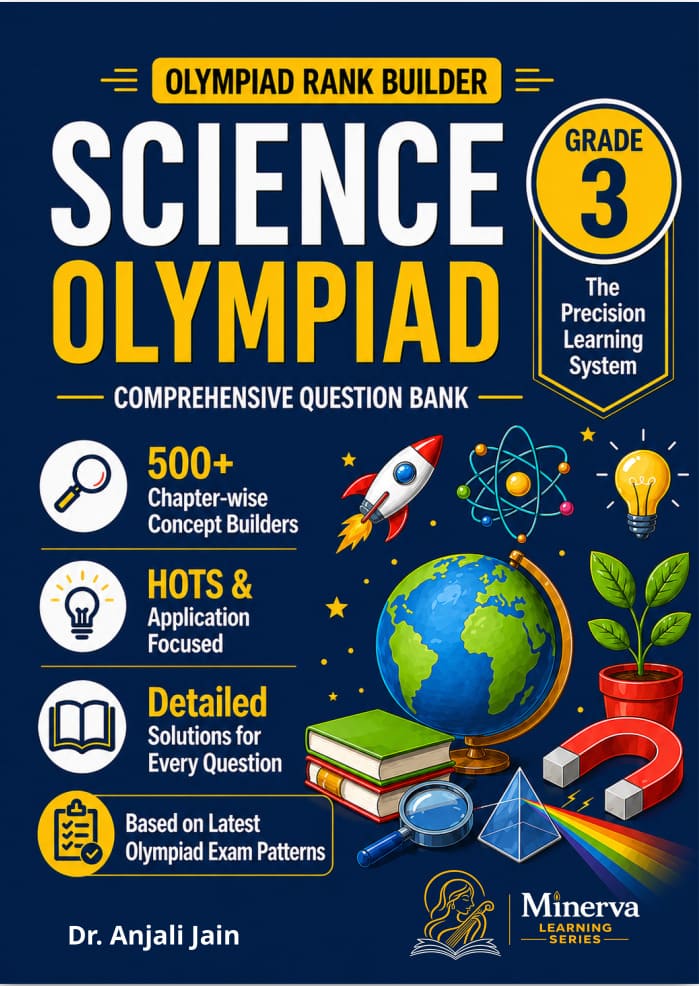
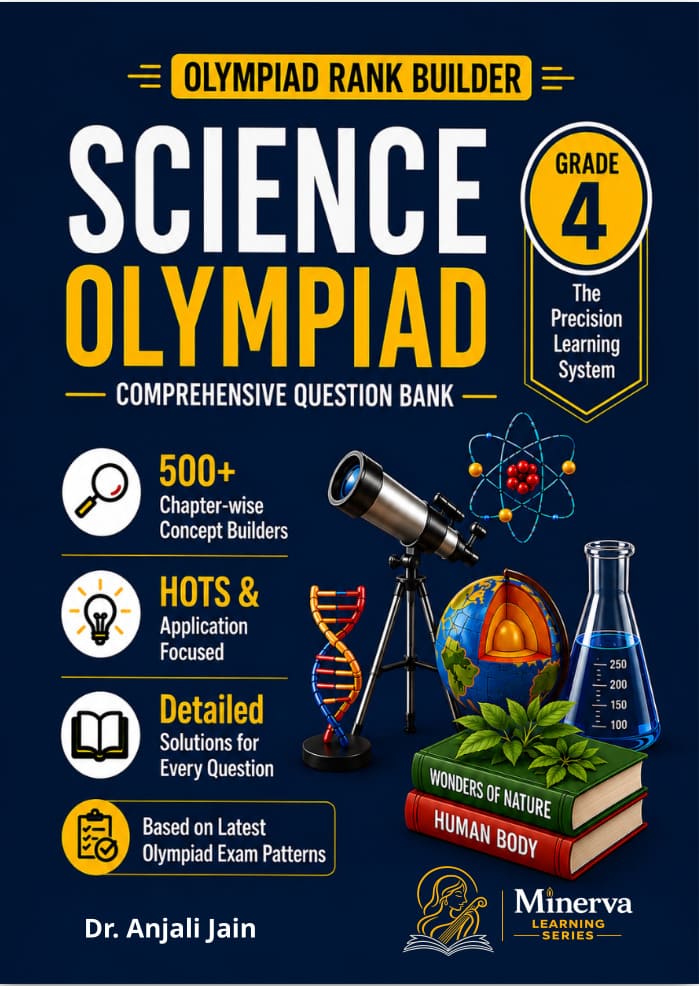
Science Olympiad Rank Builder books — available now and coming soon.
Available Now
Coming Soon
Coming Soon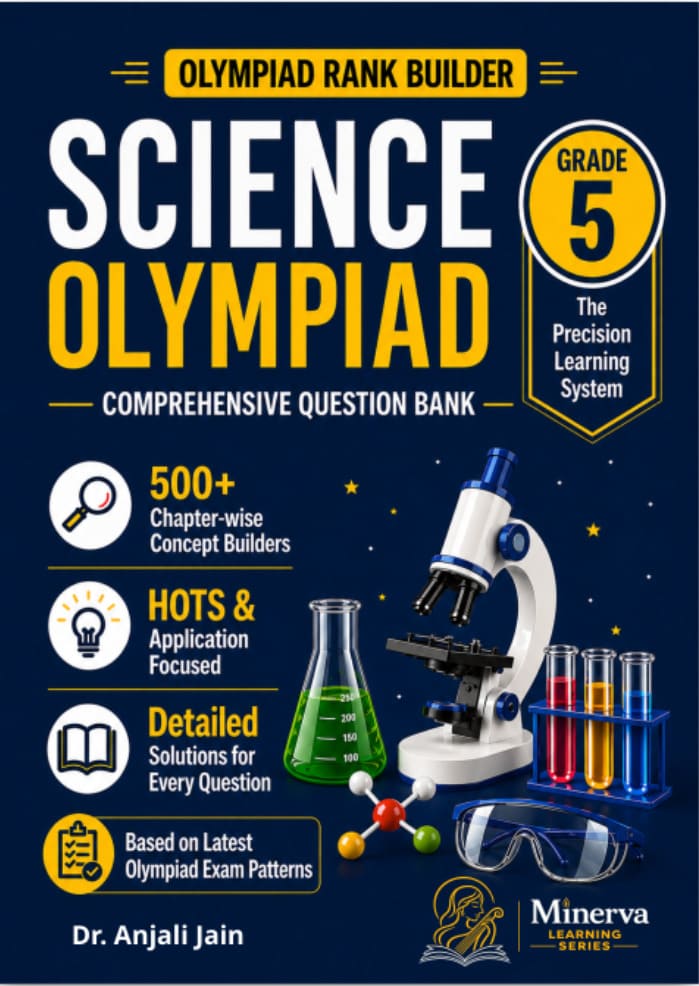
Science Olympiad — Grade 5
Grade 5 · Coming Soon · Coming August 2026
Coming Soon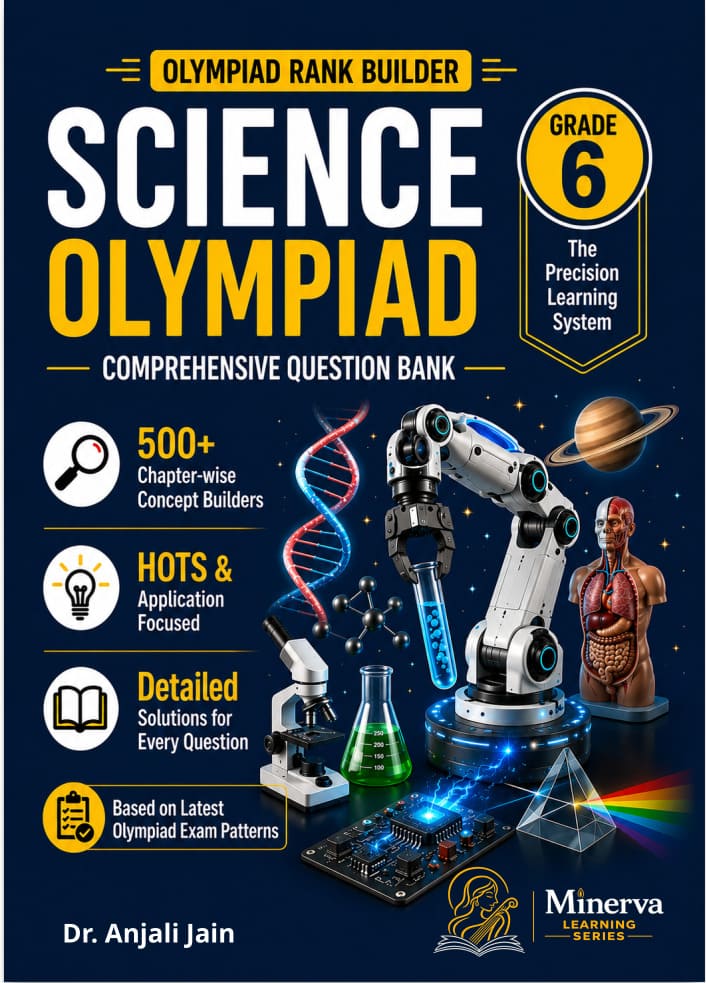
Science Olympiad — Grade 6
Grade 6 · Coming Soon · Coming August 2026
Coming Soon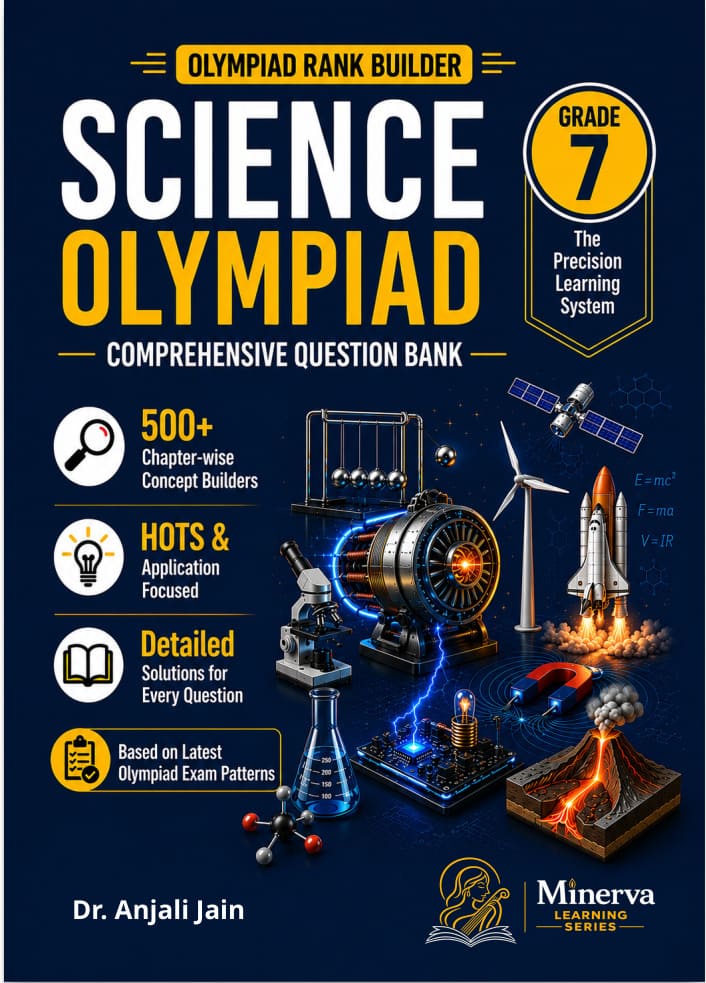
Science Olympiad — Grade 7
Grade 7 · Coming Soon · Coming September 2026
Coming Soon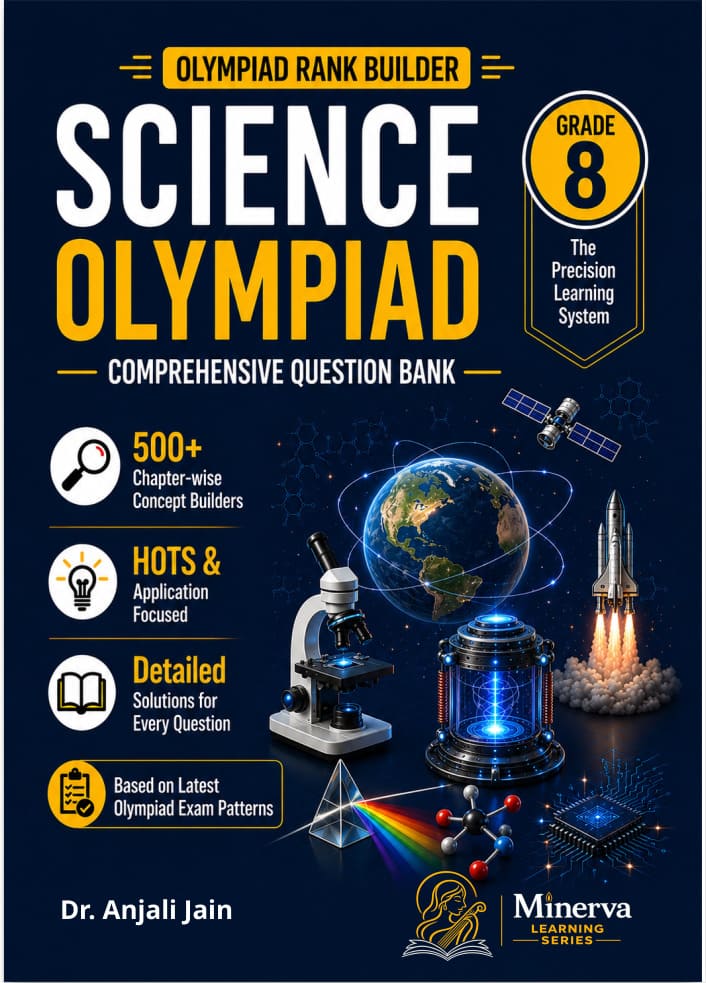
Science Olympiad — Grade 8
Grade 8 · Coming Soon · Coming September 2026
Science Olympiad Guides
Parent-friendly articles to help students choose the right books, prepare steadily, and build scientific thinking.
when should children start preparing for Science OlympiadsWhen Should Children Start Preparing for Science Olympiads?prepare for Science Olympiads at home without coachingHow to Prepare for Science Olympiads at Home Without CoachingScience Olympiad readiness checklistScience Olympiad Readiness Checklist: Is Your Child Ready?parent mistakes in Science Olympiad preparationParent Mistakes in Science Olympiad Preparation: What to Avoid
Science on Instagram
Explore fun science facts, everyday concepts, space discoveries, quizzes, and curiosity-driven learning for young minds.
Fresh science reels and posts from @minervalearningseries.
Swipe to discover fascinating science made simple—tap any post to view it on Instagram.
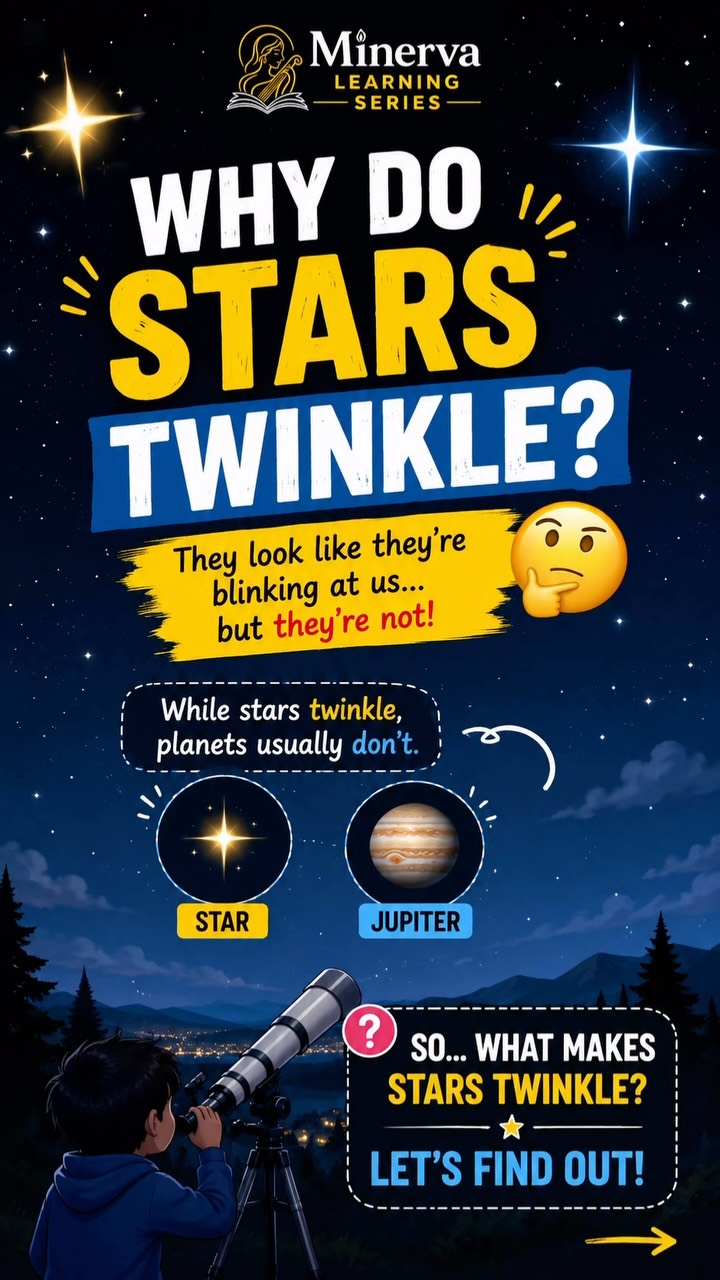
Science isn’t just about memorizing facts—it’s about asking better quest…
View on Instagram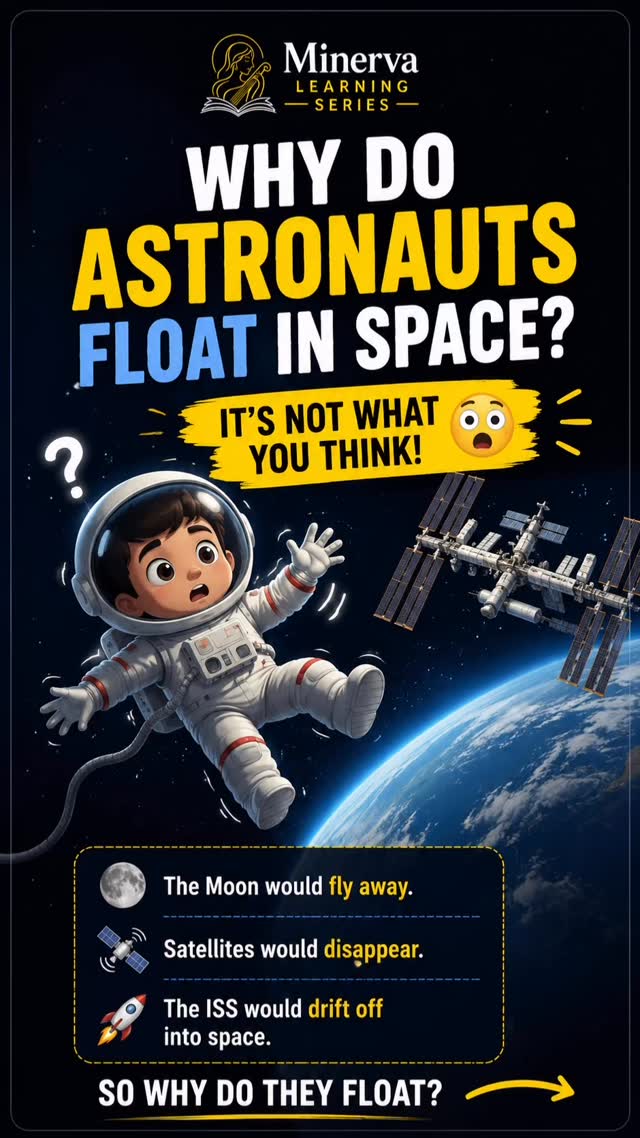
🚀 Astronauts don’t float because there is no gravity in space. In fact,…
View on Instagram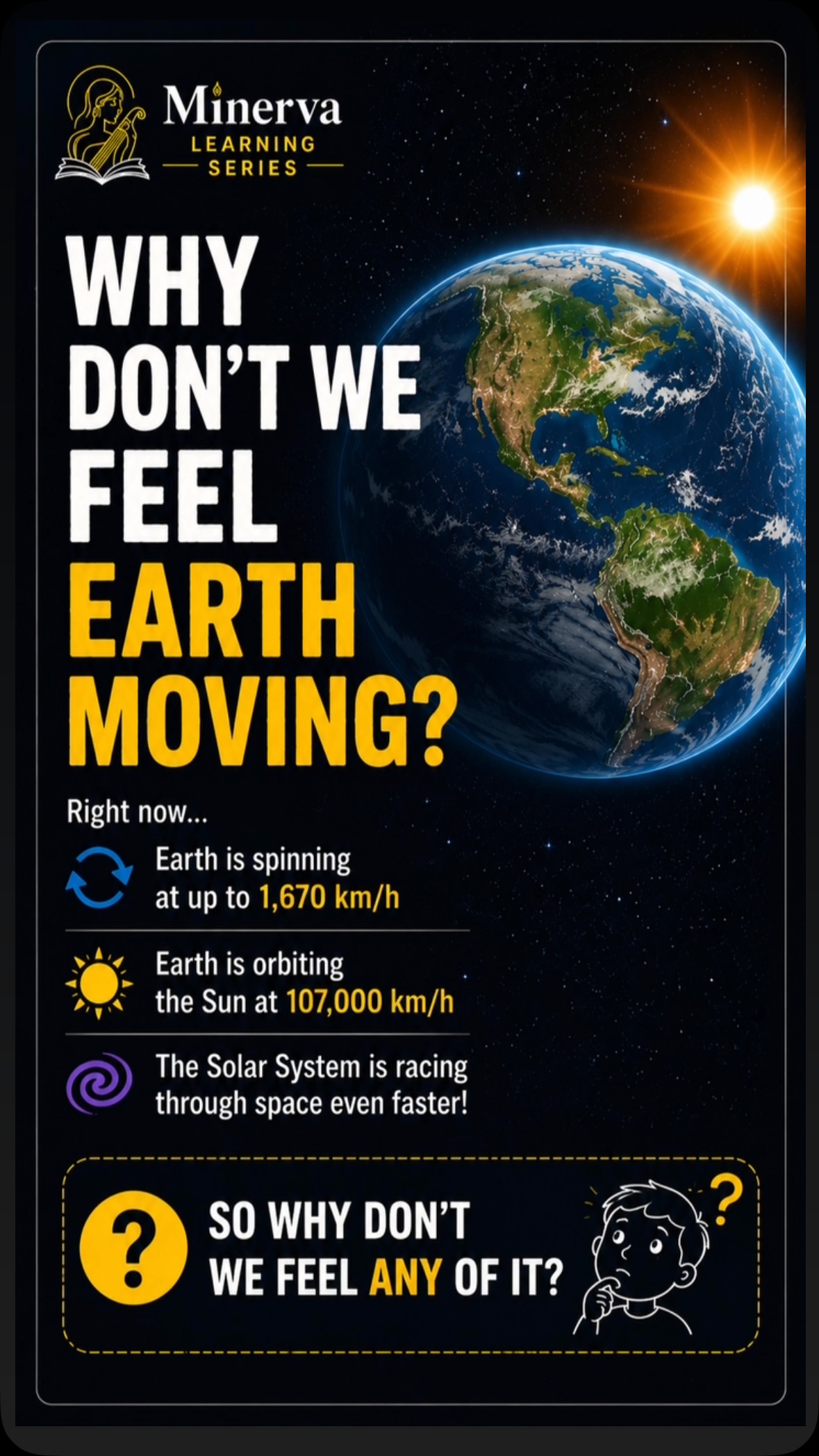
🌍 You’re moving through space at incredible speeds right now. Earth spi…
View on Instagram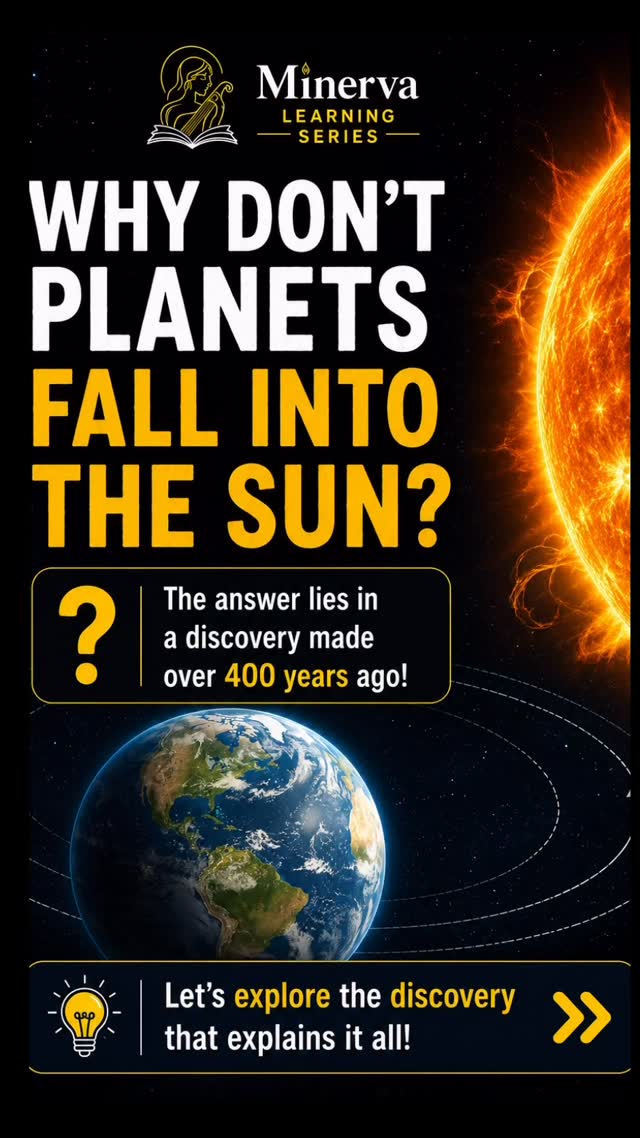
🪐 Why don’t planets fall into the Sun? The best Science Olympiad studen…
View on InstagramFun & Easy to Understand
Simplifying big science ideas for young learners.
Visual & Engaging
Reels, animations & real-world examples that spark interest.
Curiosity First
Encouraging questions, exploration & wonder.
Safe & Age Appropriate
Created with care for young learners.
More Reels
View all on Instagram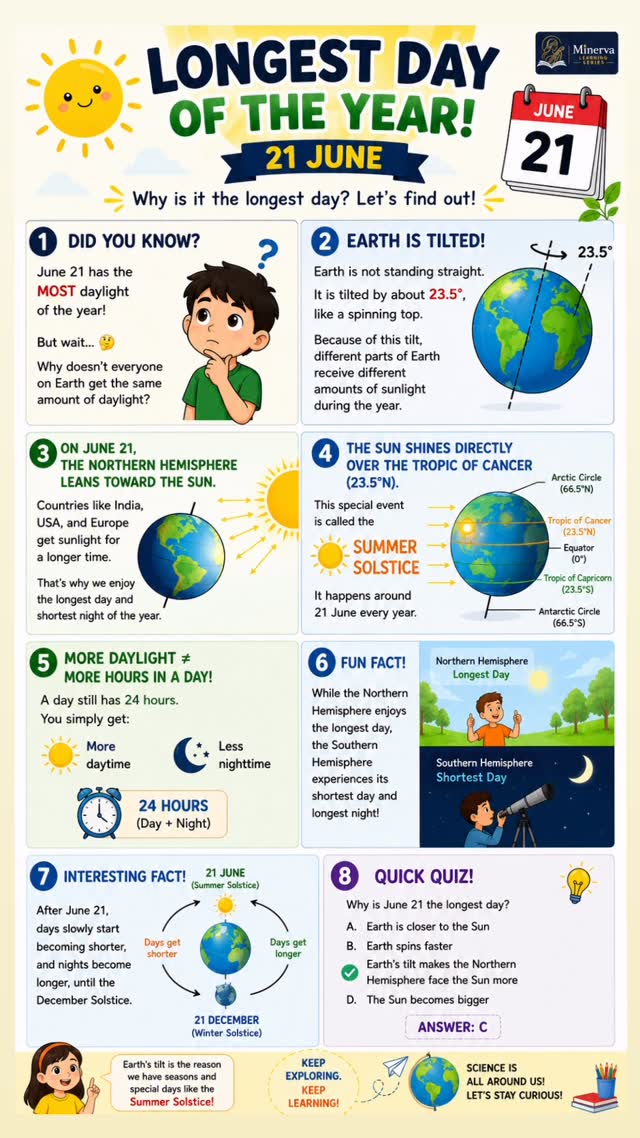 ☀️ June 21: The Longest Day of the Year! Science Olympiad is all about a…
 🌌 If the Sun is so bright, why is space dark? Science Olympiad learning…
 🌙 Science Olympiad success begins with strong concepts, not memorizatio…
 🌍 Science Olympiads are not about memorizing answers. They are about as…
 🪐 Pluto lost its planet status, but not its place in our imagination. T…
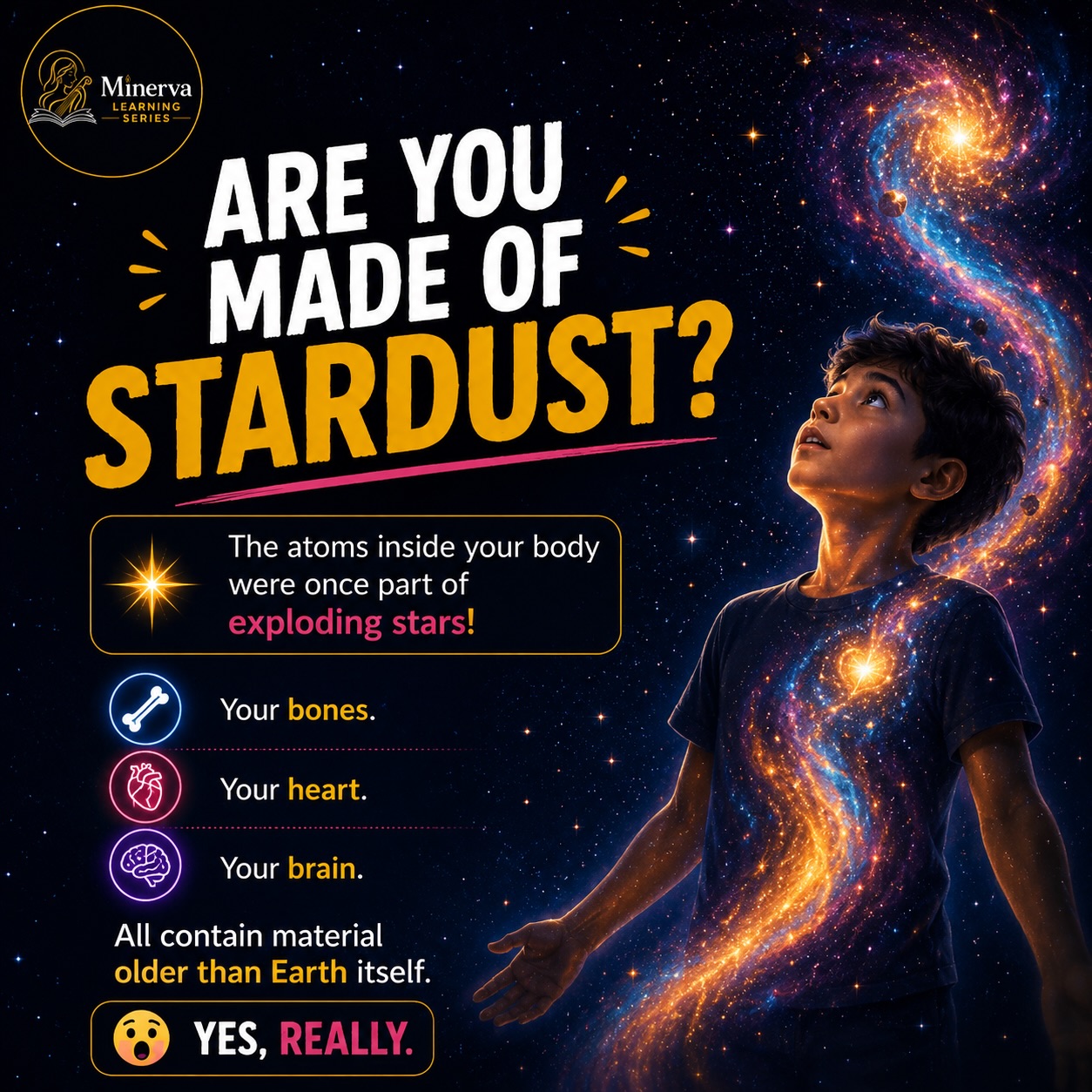 ⭐ We often teach children to look at the stars. Science teaches them som…
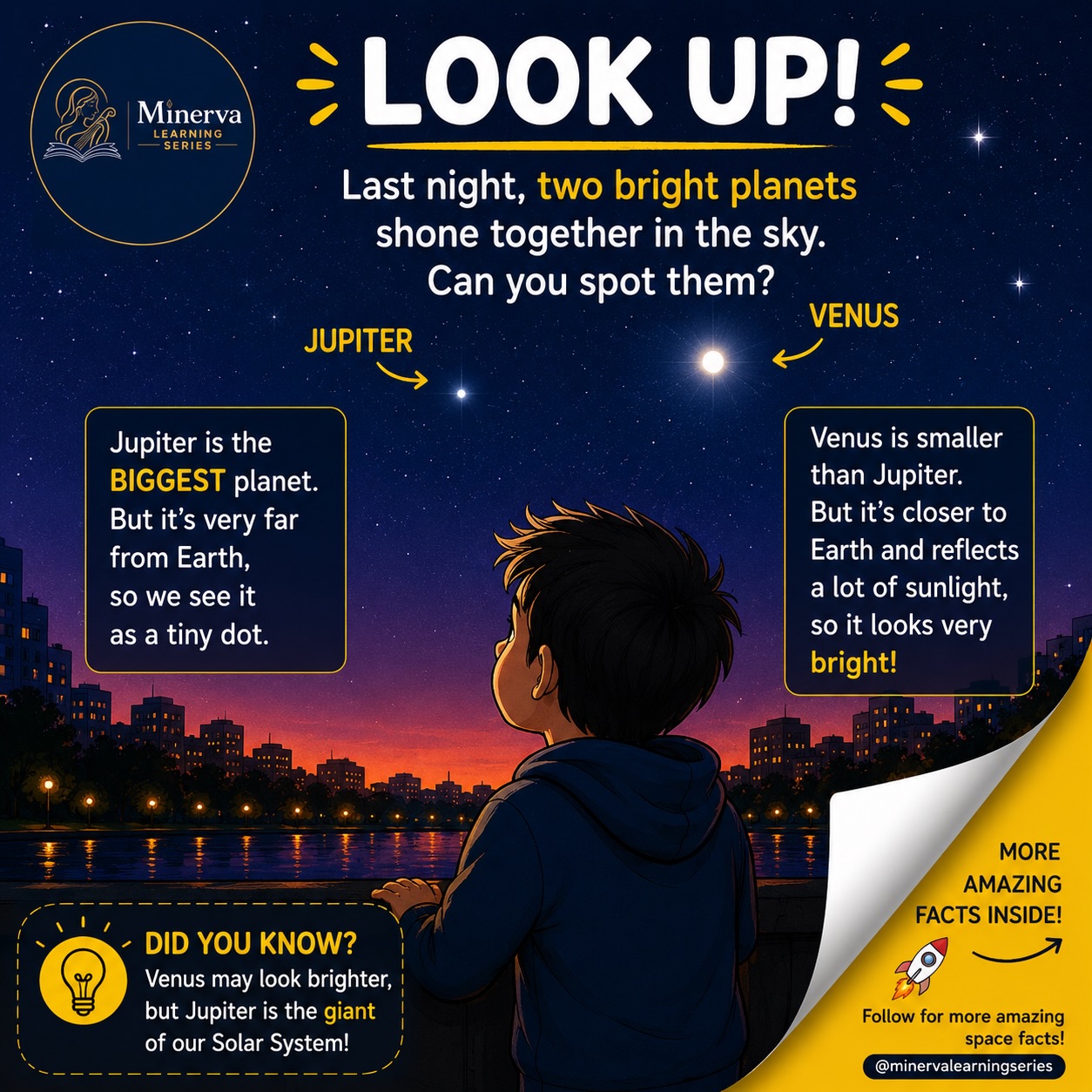 🌌 Last night, Venus and Jupiter lit up the sky. But here’s the real que…
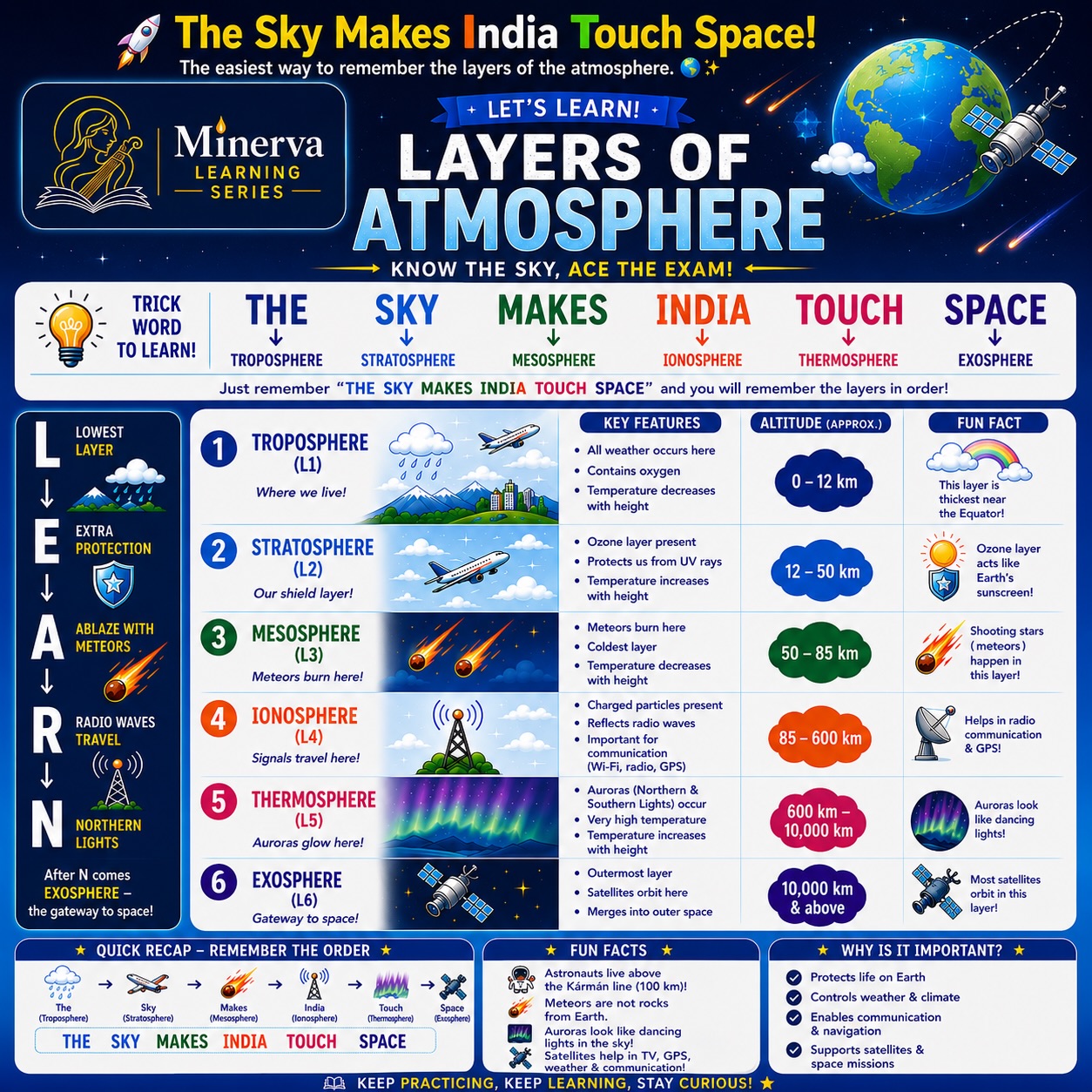 The easiest way to remember the layers of the atmosphere. 🚀 The Sky Mak…
All About Our Science Content
Answers to common questions about our Instagram content for curious learners and parents.
What kind of content do you share?
We share fun science facts, real-life examples, space discoveries, quizzes, and curiosity-driven reels that make science simple for young minds.
Answers to common questions about our Instagram content for curious learners and parents.
What kind of content do you share?
We share fun science facts, real-life examples, space discoveries, quizzes, and curiosity-driven reels that make science simple for young minds.
Is this content only for Olympiads?
No. Our reels are built for everyday curiosity first—helping children notice science around them, ask questions, and enjoy learning beyond exam preparation.
Is the content age-appropriate?
Every reel and post is created with young learners in mind—clear language, safe examples, and visuals that respect young attention spans.
Are concepts simplified for young learners?
We break big ideas into small, visual steps so children can understand first and go deeper when they are ready—without feeling overwhelmed.
Does it align with school science curriculum?
Topics often touch themes children encounter in school—living world, matter, motion, space, and environment—while keeping the focus on wonder and discovery.
How often do you post new content?
We add fresh reels and posts regularly so families and teachers always have something new to explore, revisit, or discuss together.
Can parents engage with the content?
Absolutely. Posts are short enough to watch together, ask follow-up questions, and turn into dinner-table conversations or weekend curiosity moments.
Do you include quizzes and interactive ideas?
Yes. Many posts end with a question, mini quiz, or “did you know?” moment to encourage children to think before scrolling to the next reel.
Is the content safe for children?
We avoid sensational or inappropriate themes and keep explanations positive, educational, and suitable for classroom and home viewing.
How can we follow and never miss a post?
Follow @minervalearningseries on Instagram and tap any post here to continue watching on our official channel.
All Instagram tips & topics
Browse every caption, grade tag, and topic from our channel. Each entry links to the full post on Instagram.
Browse every caption, grade tag, and topic from our channel. Each entry links to the full post on Instagram.
Science isn’t just about memorizing facts—it’s about asking better questions. Follow Minerva Lea…
Science isn’t just about memorizing facts—it’s about asking better questions. Follow Minerva Learning Series for fascinating science mysteries, fun facts, quizzes,concept-based learning an expert Olympiad preparation designed for curious young minds.
🚀 Astronauts don’t float because there is no gravity in space. In fact, Earth’s gravity is stil…
🚀 Astronauts don’t float because there is no gravity in space. In fact, Earth’s gravity is still very strong where the International Space Station orbits! Astronauts appear to float because they are in microgravity—falling around Earth together with the space station. ✨ Science becomes amazing when we question what seems obvious.
🌍 You’re moving through space at incredible speeds right now. Earth spins, orbits the Sun, and…
🌍 You’re moving through space at incredible speeds right now. Earth spins, orbits the Sun, and races through the galaxy—yet you don’t feel a thing. The reason is a fascinating idea called inertia. ✨ Science becomes amazing when we ask simple questions.
🪐 Why don’t planets fall into the Sun? The best Science Olympiad students don’t just memorize f…
🪐 Why don’t planets fall into the Sun? The best Science Olympiad students don’t just memorize facts—they ask questions that scientists asked hundreds of years ago. Curiosity leads to discovery. Discovery leads to understanding. Build strong science concepts and Olympiad-level thinking with Minerva Learning Series for Grades 3, 4 & 5.
☀️ June 21: The Longest Day of the Year! Science Olympiad is all about asking and understanding…
☀️ June 21: The Longest Day of the Year! Science Olympiad is all about asking and understanding “Why?” 🌍 Today’s answer: Earth’s 23.5° tilt gives us the Summer Solstice and the most daylight of the year. Curiosity + Concepts = Olympiad Success 🔬✨
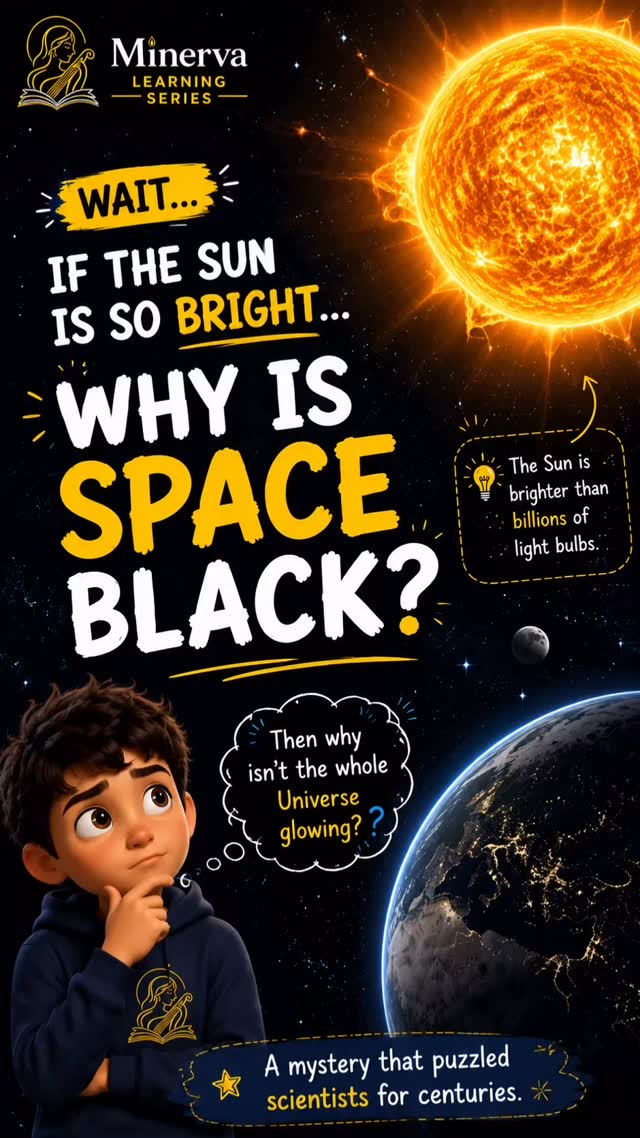
🌌 If the Sun is so bright, why is space dark? Science Olympiad learning starts with curiosity.…
🌌 If the Sun is so bright, why is space dark? Science Olympiad learning starts with curiosity. Every big discovery begins with a simple question: “Why?” Build strong science concepts, critical thinking, and Olympiad-level reasoning for Grades 3, 4 & 5. ✨ Learn Science. Think Deeper.
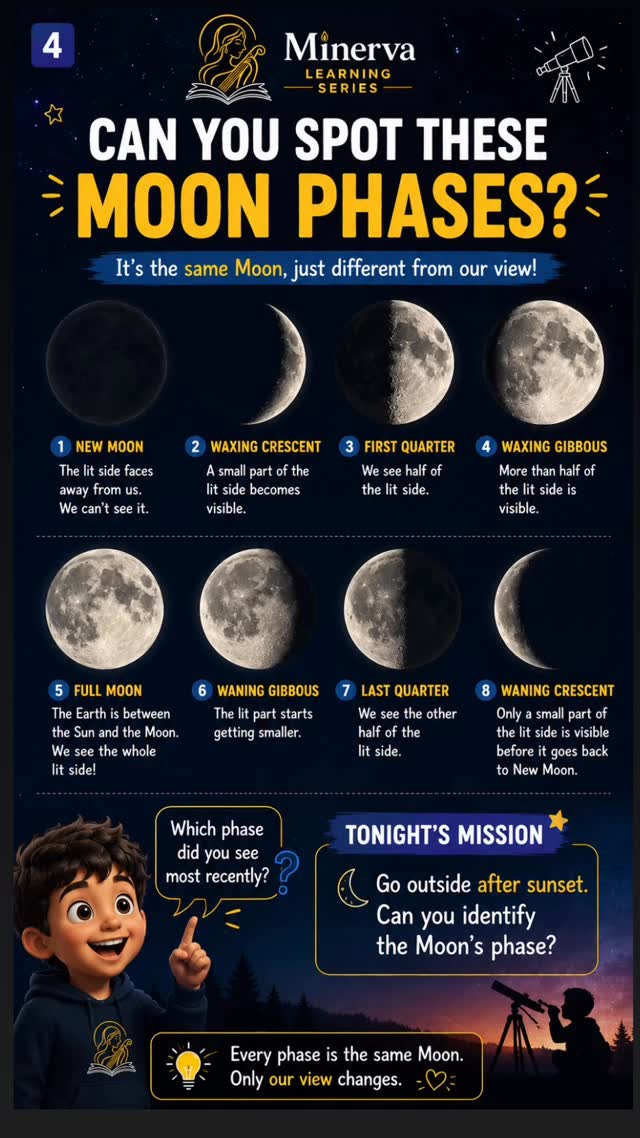
🌙 Science Olympiad success begins with strong concepts, not memorization. When children underst…
🌙 Science Olympiad success begins with strong concepts, not memorization. When children understand why the Moon changes its appearance, they develop the scientific thinking needed for Science Olympiads and beyond. Designed to build curiosity, critical thinking, and problem-solving skills for Grades 3, 4 & 5. ✨ Learn concepts. Solve confidently. Think like a scientist.
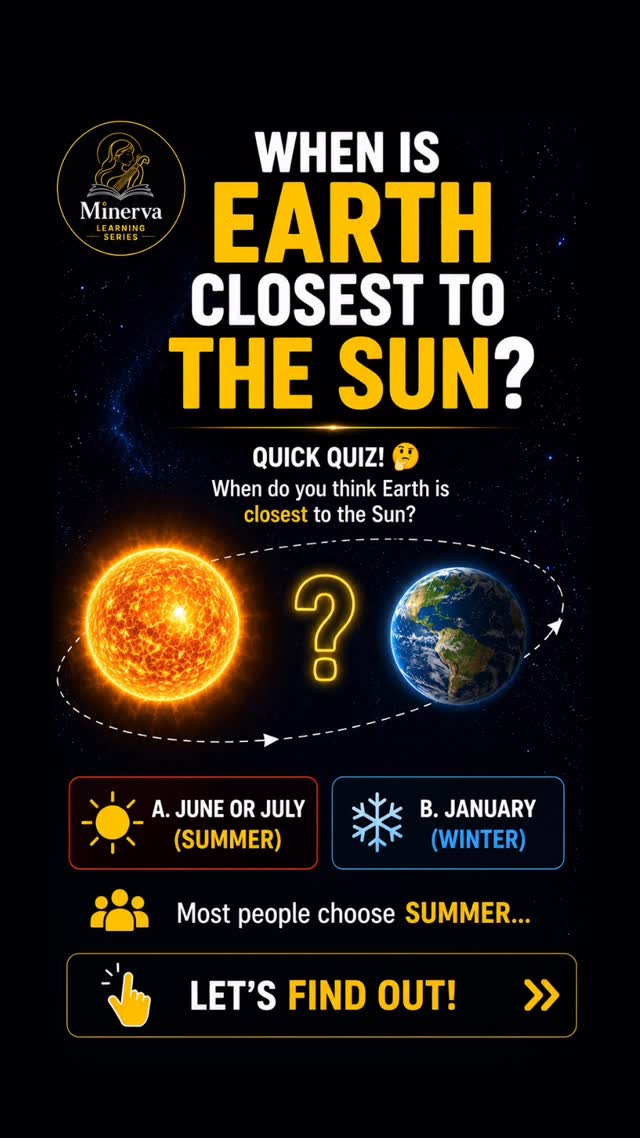
🌍 Science Olympiads are not about memorizing answers. They are about asking questions, spotting…
🌍 Science Olympiads are not about memorizing answers. They are about asking questions, spotting patterns, and understanding how the world works. Every question is a chance to build curiosity, logic, and scientific thinking. ✨ For Grades 3, 4 & 5, the journey begins with curiosity.
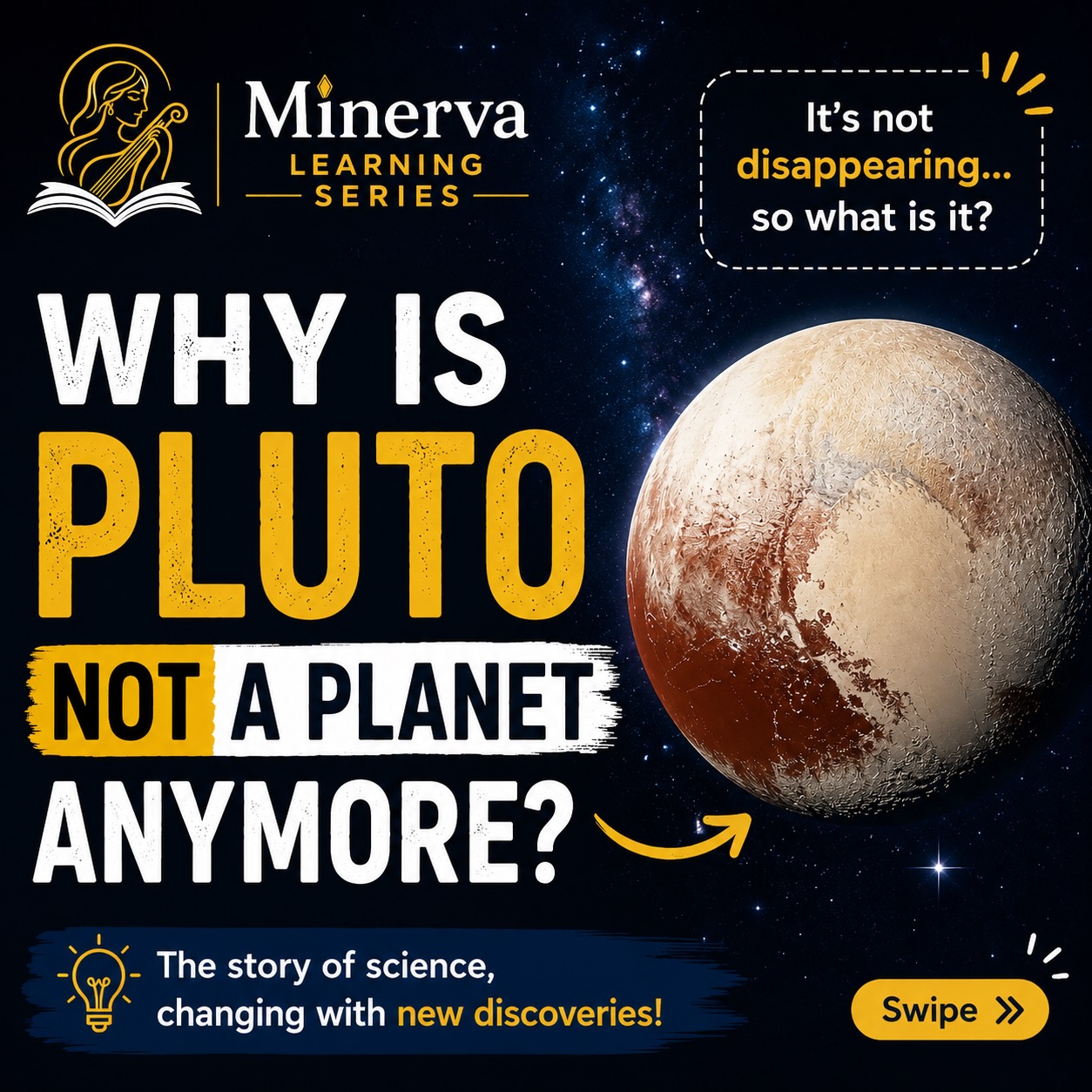
🪐 Pluto lost its planet status, but not its place in our imagination. Tiny, icy, and full of su…
🪐 Pluto lost its planet status, but not its place in our imagination. Tiny, icy, and full of surprises, Pluto reminds us that there’s always more to discover in our Solar System.
⭐ We often teach children to look at the stars. Science teaches them something even more remarka…
⭐ We often teach children to look at the stars. Science teaches them something even more remarkable: A part of those stars is already within them. Every atom has a story. Every question opens a door. Every child is capable of wonder. 🌌 You’re not separate from the Universe’s story—you are part of it. What question would your child ask after learning this?
🌌 Last night, Venus and Jupiter lit up the sky. But here’s the real question for your child: 🤔…
🌌 Last night, Venus and Jupiter lit up the sky. But here’s the real question for your child: 🤔 Are we looking into space… or into time? From the Moon to distant galaxies, every ray of light takes time to reach us. That means every time we look up, we’re seeing a little bit of the past. Try discussing this with your child tonight. You might be surprised by the questions that follow. ✨ At Minerva Learning Series, we believe curiosity is where learning begins.
The easiest way to remember the layers of the atmosphere. 🚀 The Sky Makes India Touch Space! 🌍…
The easiest way to remember the layers of the atmosphere. 🚀 The Sky Makes India Touch Space! 🌍✨
Upcoming Releases
More grades are on press — here is when they arrive.
August 2026
- Grade 5Science Olympiad Rank Builder – Grade 5
- Grade 6Science Olympiad Rank Builder – Grade 6
September 2026
- Grade 7Science Olympiad Rank Builder – Grade 7
- Grade 8Science Olympiad Rank Builder – Grade 8
Frequently Asked Questions
Common questions about our Science Olympiad books.
What is Minerva Learning Series?
Minerva Learning Series is an Indian educational publisher offering Science Olympiad preparation books for students in Grades 3 through 8. Each book is a comprehensive chapter-wise question bank with HOTS questions and detailed solutions.
Which grades are covered by Minerva Learning Series Science Olympiad books?
We publish Science Olympiad Rank Builder books for Grades 3 through 8. Grades 3 and 4 are available to order now; Grades 5–6 are expected in August 2026 and Grades 7–8 in September 2026.
What is the price of Minerva Learning Series Science Olympiad books?
All our Science Olympiad Rank Builder books are currently offered at a discounted price of ₹249 (MRP ₹449) on this website.
Do Minerva Learning Series books include HOTS and Olympiad-style questions?
Yes. Each book includes 500+ chapter-wise questions with a focus on Higher Order Thinking Skills (HOTS), application-based problems, and patterns aligned with Science Olympiad exams.
How can I buy Minerva Learning Series books?
You can purchase books directly on our website by selecting your grade, adding the book to cart, and completing checkout. Contact minervalearningseries@gmail.com for order support.
Does Minerva Learning Series ship across India?
Yes. We offer shipping across India with standard and express delivery options at checkout.